
Be part of the movement.
Add your name. We’ll deliver every signature to your state legislature with one clear demand: bring Hear the People to a vote.
A better way to elect Congress
PUT DEMOCRACY
BACK IN DEMOCRACY
We are a bipartisan movement, by the people, for the people, so Congress can HEAR the people.
You vote on the same election day you always have. The difference is who you’re voting for: someone who can knock on your actual door, not someone who needs millions in ad spending to reach you.
What it is
No one can represent 750,000 strangers
Today, every member of the U.S. House represents about 750,000 people. No one can know or honestly speak for that many strangers. So they speak for the people who can afford to reach 750,000 voters: the big donors who fund the campaigns and the consultants who run the ad wars.
That is not a failure of character. It is a failure of math.
88%
of voters say the political system works for insiders with money and power, not for everyday people.
70%
say people in elected office don’t care what they think, across every party.
THE BIG IDEA
Represented by a neighbor, not a stranger
At 7,500 people, representation finally happens at human scale. A candidate can meet the voters face to face and earn their trust without spending a dollar on television. The big media machine and the negative ad industry lose their reason to exist. Good people can represent their own communities, even without deep pockets, and the extremes of both parties lose their grip.
750,000 → 7,500
How it works
Four simple steps. A representative who lives on your street.
01
DIVIDE THE DISTRICT
Your congressional district divides into 100 Community Districts of 7,500 people each.
02
PRIMARY DAY, AS USUAL
On the usual primary date, each Community District nominates a Democrat and a Republican, the same as today.
03
YOU VOTE ON GENERAL ELECTION DAY
On the usual general election date, you vote for one of them to be your Community Representative for two years.
04
CHOOSE WHO GOES TO WASHINGTON
After the election, the 100 Community Representatives meet and choose one of their own to serve your district in the U.S. House.
The other 99 stay right in your community for the full two years. They are your local representatives and your direct line to Washington.
Do I still get to vote? Yes.
You vote for your Community Representative on the same election day you use now. That person might go to the House directly, or might be one of the 100 who chooses who does. Either way, you gain something the current system cannot give you. A representative who lives in your neighborhood, knows you by name, and needs your vote to keep the job.
And if they stop listening, you can run against them and competition is the surest way to improve quality. In a district of 7,500 people, the barriers to entry are far lower than they are today: holding your representative accountable does not take millions of dollars or years of name recognition. It takes a neighbor willing to run. Compare that to the current system, where unseating a member of Congress is so expensive and difficult that almost no one even tries. Hear the People gives that power back to you.
This already works
New Hampshire has elected its state legislature at community scale for more than 200 years. Campaigns there cost very little. Negative advertising is rare. Voters actually know the people who represent them. Hear the People brings that same proven model to Congress.
The country is ready
This is not a fringe idea. In a national survey of 810 voters conducted in May 2026 by Public Opinion Strategies, 69 percent supported this plan. After learning more about how it works, support rose to 76 percent. The support held across party and every demographic group.
The Country is ready
69%
support the plan.
76%
after learning more.
Support holds even after the opposition’s best arguments, from Trump voters to Harris voters and everyone in between.
Why Hear the People
HEAR THE PEOPLE WORKS:
It is fair and transparent, and anyone can understand it.
It has a better chance than other reforms to become law.
It puts better people in office and gives you the power to hold them there.
DEMAND THAT YOUR VOICE BE HEARD!
Who benefits
BETTER OUTCOMES FOR EVERY AMERICAN FAMILY
Better representatives, with real accountability, mean better policy. Your Community Representative will be your neighbor and your bridge to the House member. Big money will no longer call the shots. The influence of expensive advertising will be replaced by a handshake and a conversation at your kitchen table.
You will have the power. Our elected representatives will finally have no choice but to hear the people, loud and clear.
Be part of the movement.
Add your name. We’ll deliver every signature to your state legislature with one clear demand: bring Hear the People to a vote.
What your support does
As a founding donor, you make all of this possible. Here’s what you build:
01
National Awareness
A national ad campaign seen by tens of millions, opening a national conversation about who Congress really works for.
02
The Documentary
We’re making a feature documentary with the same writers behind award-winning investigative films, this time aimed at how America really picks the people who run it. We’ve raised the funds to produce the film. Now we need to raise the funds to get it in front of the public. Cameras are already rolling, and the finished film arrives in early February.
03
The Ground Game
Organizers running a 50-state campaign to win this in state legislatures. The path to Congress runs through the states.
Who’s Leading It
Hear the People is guided by a founding board of civic and business leaders, anchored in California and expanding across the country as the movement grows.
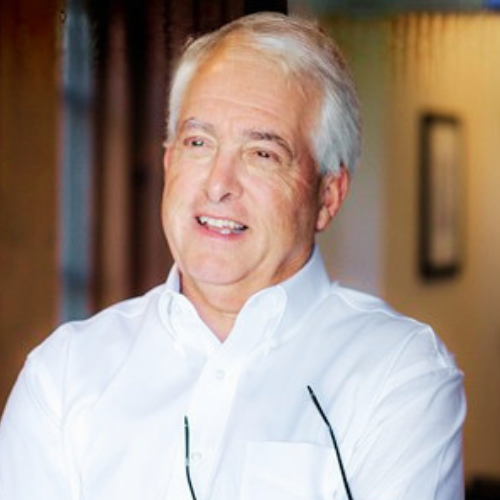
John Cox
John Cox is the founder of Hear the People, a California businessman and longtime reform advocate whose earlier Neighborhood Legislature initiative, modeled on New Hampshire’s citizen legislature, laid the groundwork for this movement.
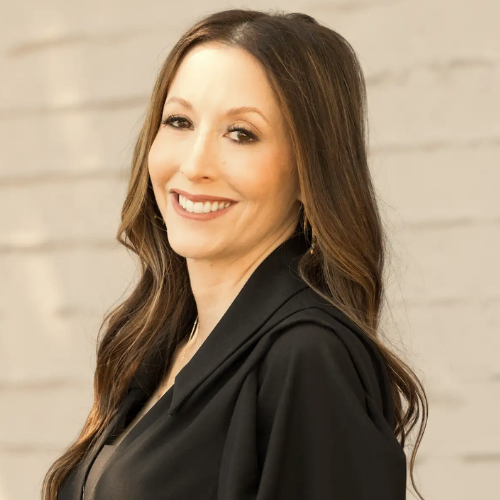
Mindy Weinstein
Mindy Weinstein, PhD, is the founder and CEO of Market MindShift, and a leading voice on the psychology of scarcity. She is a TEDx speaker and author of The Power of Scarcity (McGraw Hill, 2022), and has led courses at Columbia Business School and The Wharton School.
Joseph Valdez
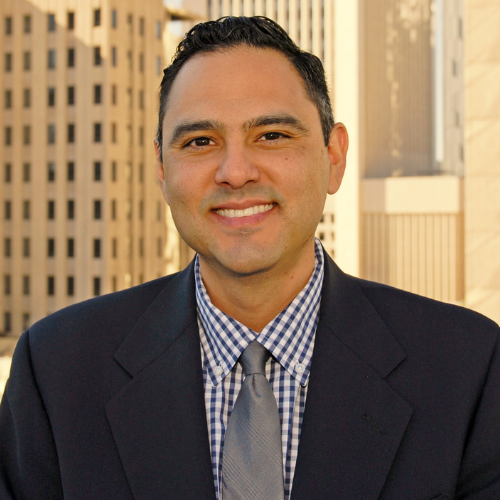
Joseph Valdez is a strategist and executive with 20 years in brand communications and public policy, who has advised two Arizona governors, led strategy for the Arizona Commerce Authority, and now runs his own consultancy, Valdez Companies.

Mike Antonovich
Mike Antonovich served 36 years on the Los Angeles County Board of Supervisors and four terms in the California State Assembly, with a long record on public safety, foster care, and parkland preservation.
Gordon Webster
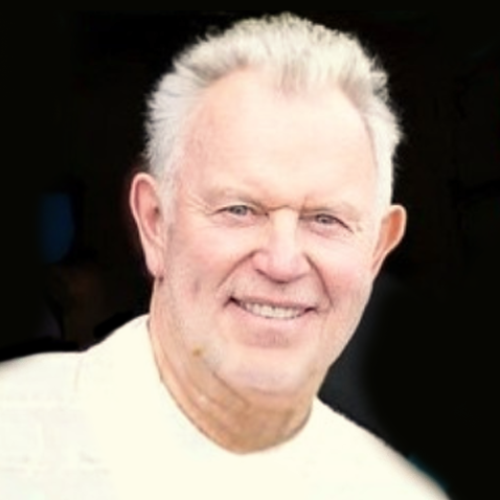
Gordon Webster is the longtime publisher of The Business Journal in Fresno and the fourth generation to lead Pacific Publishing Group, a family company founded in 1886.
Hunter Hastings
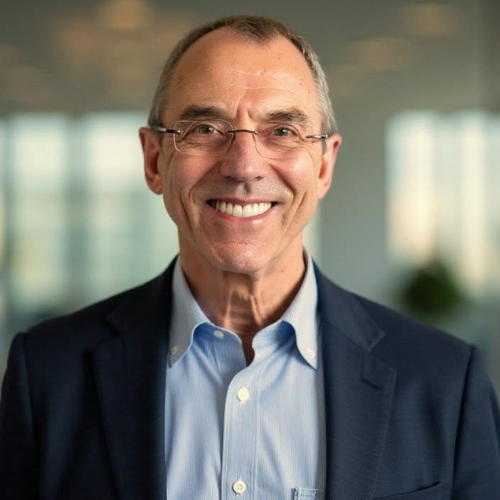
Hunter Hastings is a Cambridge-trained economist and author of seven business books who has served as a corporate Chief Marketing Officer, a Silicon Valley startup CEO, and a venture partner backing new companies.
John Cassidy
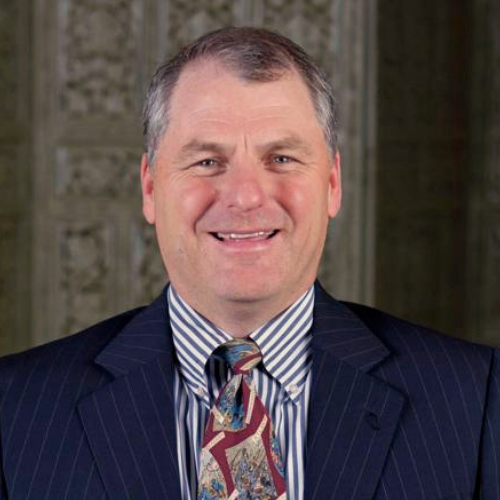
John Cassidy spent 41 years in banking, retiring as CEO of Sierra Central Credit Union after growing it into the largest consumer lender in Northern California.

Russell Penniman
Russell Penniman is a retired Navy Rear Admiral and F-14 pilot with more than 35 years of service who is now managing partner of the financial services firm Penniman & Associates.
The Four Plagues
PUT DEMOCRACY
BACK IN DEMOCRACY
HEAR THE PEOPLE People is a bipartisan, grassroots movement. The only way to put citizens back in control of our government is to end the Four Plagues.
Special Interest Money
When you need to reach 750,000 strangers, big donors decide who runs and who wins.
Political Extremes
Primary turnout favors the loudest voices. Community-scale voting rewards trust, not volume.
Big Media
Television ads drive the cost of a campaign – and the message. Neighbor-to-neighbor doesn’t need them.
Negative Campaigning
It’s easier to attack a stranger than a neighbor. Bring elections home and the tone changes.